
A buggy safari is supposed to leave you dusty, smiling, and ready for a cold drink – not worried about what went wrong. This buggy safari safety guide covers the simple choices that make a big difference, from what you wear to how you follow your guide on rough trails.
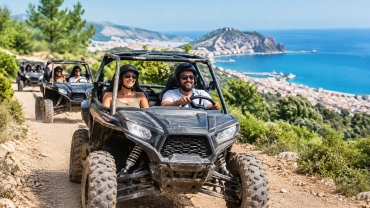
Buggy tours are popular because they are easy to enjoy with a partner, family members, or friends. You do not need to be an off-road expert to have fun. But buggies are real vehicles, trails can be uneven, and a relaxed holiday attitude should still come with a little preparation.
Start With the Right Tour and Honest Expectations
Choose a professionally organized safari that includes a safety briefing, clear meeting arrangements, and well-maintained vehicles. Before booking, check the stated age rules, driving requirements, passenger policy, and whether hotel pickup is included. These details vary by operator and destination, so never assume that a regular car license automatically means every person can drive.
A buggy safari is not a race and it is not a polished road tour. Expect dust, bumps, splashes in some seasons, and a route that may include loose stones, shallow dips, and narrow sections. That is part of the excitement. It also means the activity may not be the best match for guests with certain back, neck, heart, or mobility conditions, or for anyone who is pregnant. If you are unsure, ask before you book and choose a gentler holiday activity if needed.
Children can often join as passengers when they meet the tour’s age and height rules, but those rules exist for a reason. A child needs to sit securely, hold on properly, and be comfortable with noise, dust, and bumpy terrain.
What to Wear for a Buggy Safari
The trail is usually warmer, dustier, and windier than it looks from your hotel. Dress for the route, not for the photos alone. Closed-toe shoes with a secure fit are the safest choice. Sneakers are ideal. Avoid flip-flops, loose sandals, high heels, or anything that can slide off a pedal or get caught near the vehicle.
Choose comfortable clothes that can get dirty. A T-shirt and shorts may work on a hot day, although lightweight long sleeves and longer pants give extra protection from sun, dust, and flying grit. Do not wear loose scarves, flowing cover-ups, or dangling accessories that can flap around while driving.
Most tours provide essential safety equipment such as helmets where required, but confirm what is included when booking. Wear the helmet correctly and fasten it every time, even for a short stretch. Sunglasses can help with glare and dust, while goggles are often more practical on very dry routes. If you wear contact lenses, bring eye protection because dust can make them uncomfortable.
Apply sunscreen before pickup, not after you arrive at the trail. Bring drinking water if it is not supplied, and secure your phone in a zipped pocket or small bag. A waterproof phone pouch is useful if the route includes water crossings, but do not hold your phone while driving.
The Safety Briefing Is Part of the Experience
Listen closely when your guide explains the buggy controls, route signals, stopping points, and spacing rules. This briefing is not a formality. It tells you how the specific vehicles behave and what conditions to expect that day.
Take a moment to adjust your seat and seat belt before moving. Make sure you can reach the pedals comfortably, grip the steering wheel without stretching, and see clearly ahead. If something feels loose, unfamiliar, or difficult to operate, tell the guide before the group sets off. A good team would much rather solve a small issue at the start than deal with a preventable problem on the trail.
Ask how to signal if you need to stop, whether you should remain in the buggy during breaks, and what to do if you become separated from the group. You do not need to memorize every detail, but you should know the basics before the engine starts.
Buggy Safari Safety Guide: Drive for the Trail
The easiest way to stay safe is to drive smoothly. Sudden steering, sharp braking, and fast acceleration can make a buggy harder to control, especially on loose ground. Keep both hands on the steering wheel, both feet where they belong, and your attention on the track rather than the scenery.
Follow the guide’s pace, even if you feel confident. Guides know where the surface changes, where visibility is limited, and where other groups or local traffic may appear. Trying to overtake, race another buggy, or create your own route can put you and others at risk.
Leave enough space between vehicles. On dusty tracks, the buggy ahead may disappear briefly in a cloud of dust or brake for a dip you cannot yet see. A safe gap gives you time to react and helps everyone avoid breathing dust from the vehicle in front.
Slow down before turns, descents, puddles, and rough sections. Do not turn sharply at speed, and do not put your arms or legs outside the buggy. If you hit a muddy patch or shallow water crossing, keep calm, maintain gentle steering, and follow the line your guide has shown. The goal is control, not a dramatic splash.
Never drive after drinking alcohol or using anything that affects your reactions. Save the celebratory drink for after the tour, when everyone is safely back at the hotel.
Look After Your Passenger and Group
If you are driving with a passenger, your responsibility extends beyond your own excitement. Make sure they understand how to sit securely, where to keep their hands, and why they should not lean out for videos or selfies. Their movement changes the balance of the buggy, particularly on uneven terrain.
If anyone in your group feels unwell, anxious, or has dust in their eyes, tell the guide at the next safe opportunity. There is no prize for pushing through discomfort. Safari teams can often help with a rest stop, a slower pace, or practical advice.
Traveling with friends can bring out a competitive side, especially when everyone is laughing and covered in dust. Keep the fun without turning the route into a challenge. The best group photos happen when everyone finishes the ride comfortably.
Protect Yourself From Sun, Dust, and Heat
In resort areas around Antalya and Alanya, the heat can build quickly, particularly during peak summer afternoons. Drink water before you feel thirsty and take breaks seriously. Headache, dizziness, nausea, unusual tiredness, or confusion can be signs that you need shade, water, and support from your guide.
Dust is normal on an off-road tour, but you can manage it. Keep your eye protection on while moving, cover your mouth and nose with a light face covering if you are sensitive to dust, and avoid rubbing your eyes with dirty hands. Wash your hands and face after the tour before touching contact lenses or applying makeup.
A bandana or neck gaiter can be useful, but it is not a substitute for following the guide’s instructions or wearing the provided safety gear. Keep it snug and away from moving parts.
Before You Leave the Hotel
A few quick checks make the day easier. Bring your booking details, wear clothes you do not mind getting dirty, and leave valuable jewelry at the hotel. If you take medication, carry what you may need and let the tour staff know about any relevant medical concern in a straightforward way.
Eat a light meal beforehand rather than starting the safari hungry or overly full. You will be more comfortable on the bumps, and you will have better energy in the heat. Arrive ready at the pickup point so the day can begin without stress for you or the rest of the group.
The most memorable buggy safaris are not the ones with the most speed. They are the ones where you feel the warm air, laugh at the dust on your clothes, trust the team leading the route, and return with a story everyone in your group wants to tell.


Comment (0)