
After a day of beach time, sightseeing, or a high-energy safari, a Turkish hammam can feel like the reset button your holiday needed. This traditional bath experience is not simply a spa treatment. It is a warm, steamy ritual built around relaxing the body, cleansing the skin, and leaving you feeling lighter before your next day of fun in Turkey.
For many visitors, the best part is how easy it is. You arrive, change into the items provided, follow the bath attendant’s guidance, and let the heat, foam, and massage do the work. Still, knowing what happens before you go helps you choose the right experience and enjoy it with confidence.
What Is a Turkish Hammam?
A Turkish hammam is a traditional public bath inspired by Roman and Byzantine bathing culture, then shaped over centuries in the Ottoman era. Historic hammams were social spaces as well as places to wash. Today, visitors can enjoy the same core ritual in historic bathhouses, hotels, and modern spa centers across Turkey.
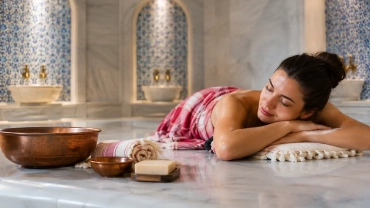
The setting usually centers on warm marble, humid air, and a heated stone platform called a göbek taşı. You do not need to know the Turkish names or understand a complicated routine. A staff member will guide you through each stage, which makes a hammam a comfortable choice even for first-time spa visitors.
Some venues offer a traditional shared bathing area, while others use private treatment rooms or more resort-style facilities. Neither is automatically better. A traditional hammam can feel more atmospheric, while a hotel or spa hammam may offer more privacy and a simpler experience for families, couples, or guests who are new to Turkish bath culture.
What Happens During a Turkish Hammam Visit?
Most Turkish bath experiences follow a similar flow, although the length and extras vary by package. A basic session may take around 45 minutes, while an extended program with oil massage, face mask, or additional treatments can last 90 minutes or longer.
You normally begin by changing into a swimsuit or the disposable underwear provided. Many tourist-friendly hammams welcome guests in swimwear, especially in resort areas. Towels, slippers, and the basic bath items are commonly included, but it is always smart to check what your booking covers.
The first stage is gentle warming. You spend time in a heated room or sauna-like area so your body can relax and your skin can soften. The warmth should feel soothing, not like an endurance test. If you feel dizzy, uncomfortable, or too hot, step out and tell the staff. Drinking water before and after is a good idea, especially during the hot summer months in Antalya and Alanya.
Next comes the exfoliation. The attendant uses a rough mitt called a kese to remove dead skin with firm, sweeping movements. It may look dramatic when you see the skin rolling away, but this is a normal part of the treatment. The pressure can be adjusted, so speak up if you prefer a lighter scrub, have sensitive skin, or have recently spent a lot of time in the sun.
After the scrub, the foam wash begins. Warm water and a large cloud of soft soap bubbles turn the treatment into the relaxing part most guests remember. The attendant may combine the wash with a short body massage. You are then rinsed with warm water and given time to cool down.
Many packages finish with a relaxing oil massage. This is usually separate from the traditional foam wash, so do not assume it is included unless the experience specifically says so. If you want a longer massage, choose a package that clearly lists the duration and treatment type.
Why It Feels So Good After Travel
Flights, long transfer days, walking tours, pool time, and adventure excursions can leave your body feeling tight and tired. The heat and massage element of a hammam can help you slow down and relax. The exfoliation also leaves skin feeling very smooth, which is one reason many holidaymakers book a bath early in their stay.
There is a practical reason to time it carefully, though. A strong scrub can make freshly exposed skin more sensitive to sunlight. If you have a sunburn, skip the hammam until your skin has recovered. It is also better to avoid intense sunbathing right after your appointment. Book it for an afternoon or evening when you can rest afterward rather than heading straight back to the beach.
A hammam is not a medical treatment, and it is not right for every situation. Pregnant travelers, guests with heart conditions, high blood pressure, skin concerns, recent injuries, or other medical conditions should ask a doctor before using high heat or getting a vigorous massage. Tell the staff about any areas that need to be avoided.
What to Wear and What to Bring
The easiest option is to wear your swimsuit under your clothes and bring a dry change of underwear afterward. Most venues provide a towel or pestemal, the traditional cotton wrap used in Turkish baths. You can bring your own flip-flops if you prefer, although slippers are often available.
Leave jewelry, watches, and valuables at your hotel whenever possible. Heat, water, oils, and lotions are not kind to accessories, and you will enjoy the treatment more when you are not worrying about your belongings. If you wear contact lenses and your eyes are sensitive to steam, consider bringing glasses for before and after the session.
Women and men may have separate bathing areas or different time slots in more traditional hammams. In tourist-oriented spa centers, treatments may take place in private rooms or mixed facilities, depending on the venue. If you have a preference for a female or male therapist, ask when booking rather than waiting until arrival.
How to Choose the Right Turkish Hammam Experience
The best choice depends on what you want from your holiday. If you are mainly curious about the traditional ritual, a classic package with sauna or steam, kese scrub, foam wash, and a short massage is usually enough. If you want a full relaxation day, look for an option that adds an oil massage and allows more time to cool down.
Price matters, but the cheapest option is not always the best value. Check the duration, hotel pickup details, what is included, and whether there may be optional upgrades offered at the venue. Clear information before booking prevents surprises and makes the day more enjoyable.
For families, ask about age limits and whether children can join. Younger children may not be suited to prolonged heat, while teens often enjoy a gentle, shorter treatment. Couples and friend groups should also confirm whether they will be treated at the same time or in separate rooms, since this varies by facility.
Convenience can make a real difference on vacation. A booked Turkish bath experience with hotel pickup means you do not need to find a reputable venue, negotiate transport, or figure out the timing on your own. Okitours can help arrange a relaxing hammam session around your plans, whether your holiday already includes boat trips, diving, or an action-packed safari.
A Few Simple Hammam Etiquette Tips
Arrive a little early so you are not rushing into the heat. Shower if the facility asks you to, follow staff instructions, and keep your voice low in shared relaxation areas. A hammam is meant to be enjoyable, not formal, so there is no need to feel nervous about doing everything perfectly.
Be honest about pressure during the scrub or massage. A good attendant wants you to relax, not tolerate discomfort. It is also polite to avoid taking photos in shared areas, where other guests expect privacy.
Do not plan a heavy meal or lots of alcohol immediately before your visit. Your body will handle the warmth better when you are hydrated and comfortable. Afterward, take your time, drink water, and enjoy that clean, loose-limbed feeling instead of racing to the next activity.
A Turkish hammam is one of those holiday experiences that makes room for you to pause between the adventures. Choose a treatment that suits your comfort level, protect your freshly scrubbed skin from strong sun, and give yourself a quiet hour afterward. Your next beach day, boat trip, or evening out will feel even better for it.

Comment (0)